
What exactly is an LED screen? This article details the technical operation and primary use of these light panels. Discover why an LED screen significantly outperforms LCD, OLED, or QLED alternatives for professional use.
LED Screens: Definition, Operation and Technical Architecture
These screens use LED diodes as their direct light source. Each diode lights up when an electric current passes through it, eliminating the need for a conventional backlight system. LED technology therefore stands clearly apart from other available display types.
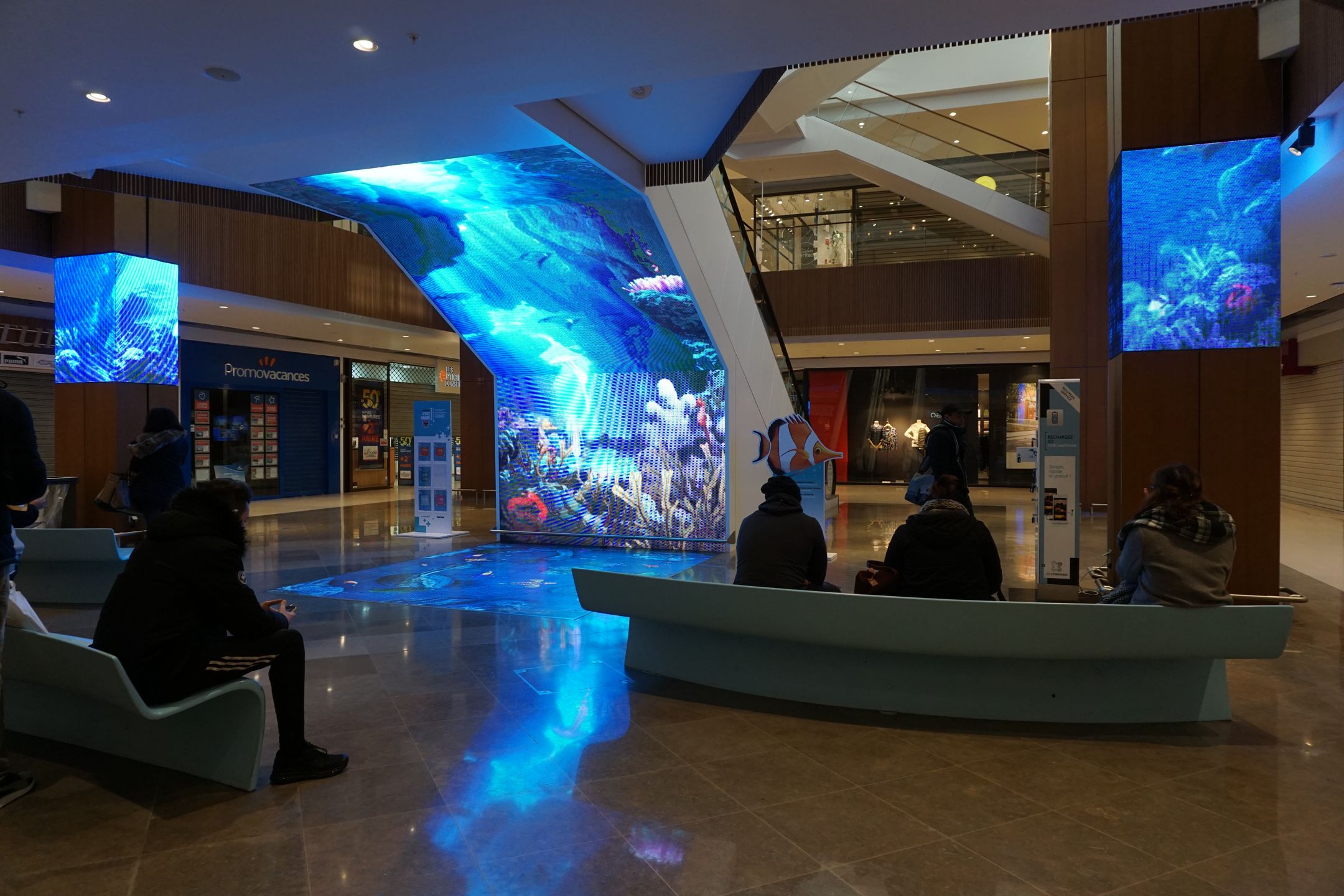
What Exactly Is an LED Screen?
The image matrix relies on millions of diodes grouped into pixels to ensure remarkable image quality. Our expertise in LED screens delivers vibrant, nuanced colors. Indeed, the definition of an LED screen is key to achieving optimal visual rendering.
The emitted color depends entirely on the wavelength of the photons generated. The semiconductor material used thus determines the blue, green, or red hues displayed. This composition ensures very high brightness, perfect for high-end visual installations.
Modules then receive video signals and control each diode with precision. This mechanism efficiently operates to update content remotely, with complete fluidity. You can also choose an transparent LED screen, highly appreciated for commercial storefronts.
Pitch, Pixels and Modular Giant Display
LED display technology for giant screens relies primarily on pitch, which corresponds to the distance between two LED diodes. A reduced pitch is particularly suitable for close viewing. For greater distances, this spacing can be increased to reduce installation costs.
- Pitch P2 (2 mm): very high resolution, ideal for luxury shop windows or jewelry stores where viewing distance is short.
- Pitch P4 (4 mm): indoor display (showrooms) offering excellent sharpness at close range.
- Pitch P6-P8 (6–8 mm): standard outdoor installations, such as advertising billboards, with good visibility.
- Pitch P10+ (10 mm and above): screens designed for stadiums, with resolution suited to very long distances.
Each panel is equipped with an efficient cooling system to extend its lifespan. Modules assemble seamlessly to form large video walls in continuous display. It is also possible to create an LED 3D screen, just as spectacular as it is immersive.
Internal Components and Image Control
The internal architecture includes very precise and miniaturized components mounted on printed circuit boards. Rigorous energy management ensures uniform electrical distribution across the entire screen. Sensors constantly monitor temperature to optimize cooling.
This intelligent system automatically adjusts brightness intensity to reduce power consumption. The entire device operates while maintaining unmatched visual clarity, both day and night. Each project benefits from thorough calibration to integrate harmoniously into its architectural environment.
Difference Between LED, LCD, OLED and QLED Screens
Understanding display technologies is essential for choosing your screens informedly. Each technology offers specific advantages, depending on your needs. Let us examine these differences to help you find the solution perfectly suited to your use case.
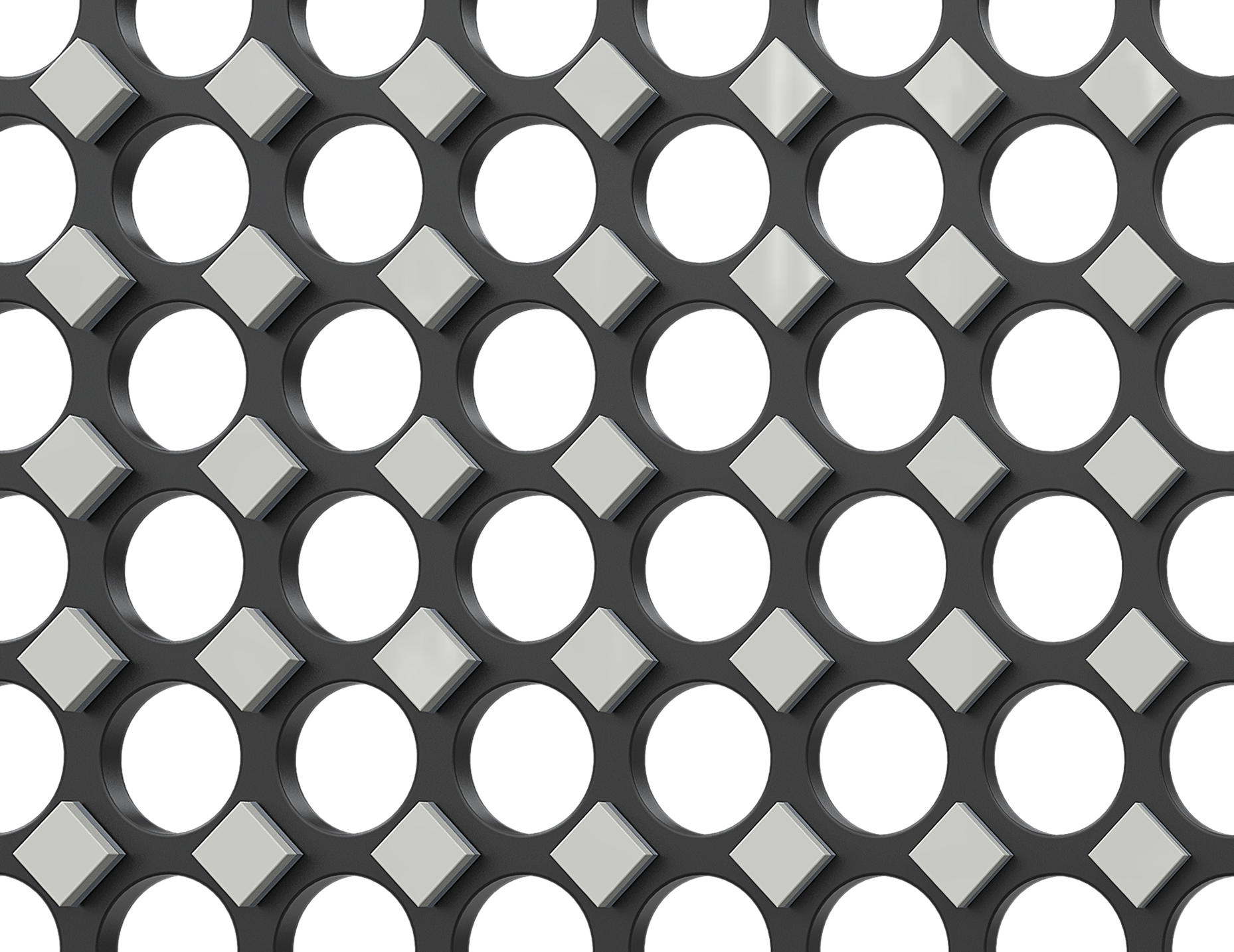
LCD vs LED for Computer and Everyday Use
The difference between LED and LCD screens lies primarily in their backlighting system. A standard LCD screen operates with external lighting, whereas in an LED screen, each pixel illuminates individually. This distinction has a major impact on energy consumption and rendering quality.
In terms of performance, modern LED TVs often surpass their predecessors on many visual aspects. Their brightness can exceed 10,000 cd/m², far above the usual 300 cd/m² of older models. Moreover, contrast is significantly improved thanks to technologies like Local Dimming, offering deep, intense blacks.
| Parameter | LED Screens | LCD Screens |
| Max brightness | 5,000 to 10,000+ cd/m² | 300 to 1,000 cd/m² |
| Contrast (ratio) | 5,000:1 with Local Dimming | 1,000:1 to 3,000:1 |
| Lifespan | 50,000 to 100,000 hours | 30,000 to 50,000 hours |
| Energy consumption | -40% vs equivalent LCD | Reference |
| Thickness (backlight) | Variable depending on type | <3 cm (Edge LED) |
To choose an LED or LCD screen for computer use, it is important to analyze your working environment. LED backlighting reduces eye strain and energy consumption during prolonged use. Current LED TVs often combine a panel with edge LED or full LED backlighting for great slimness.
LED vs OLED: Which to Choose Based on Your Needs?
OLED technology is also available on the market, renowned for its absolute blacks thanks to individual pixel shut-off. However, its lifespan remains shorter and its brightness intensity is often lower. To decide between LED or OLED, define whether your priority is longevity or ultimate image quality.
- Permanent installations: an urban display that requires robustness against weather conditions above all.
- Premium indoor content: for private cinemas demanding perfect color reproduction.
- Transparent storefronts: a dynamic luxury display to showcase products.
- Portable screens: smartphones or tablets that prioritize extreme slimness.
This organic technology is ideal for uses where aesthetics take priority over lifespan. However, for very large outdoor screens, classic LED technology imposes itself without hesitation. Consumer formats like QLED are technically not suited for these professional uses.
Mini-LED, MicroLED and QLED: Advantages of Each Technology
Recent innovations have enriched the options available for both professional and consumer markets. The Mini-LED backlighting system represents a genuine evolution at an affordable price. These small diodes create dense zones that considerably improve image quality.
- MicroLED 3D nanowires: promises superior brightness in an ultra-compact format.
- Quantum dots (QLED): uses this technology to improve the precision of displayed colors.
- Advanced Local Dimming: offers thousands of independent backlighting zones for optimal rendering.
These different solutions offer specific advantages for various professional needs. The Mini-LED format excels indoors, notably thanks to its energy efficiency. Quantum dot technology will satisfy image purists, while MicroLED undoubtedly represents the future of display technology.
Advantages of LED Screens and Their Concrete Applications
LED screens offer significant advantages compared to other display technologies. Among their main strengths are exceptional brightness and very low energy consumption. These advantages guarantee an excellent return on investment for demanding professional users.
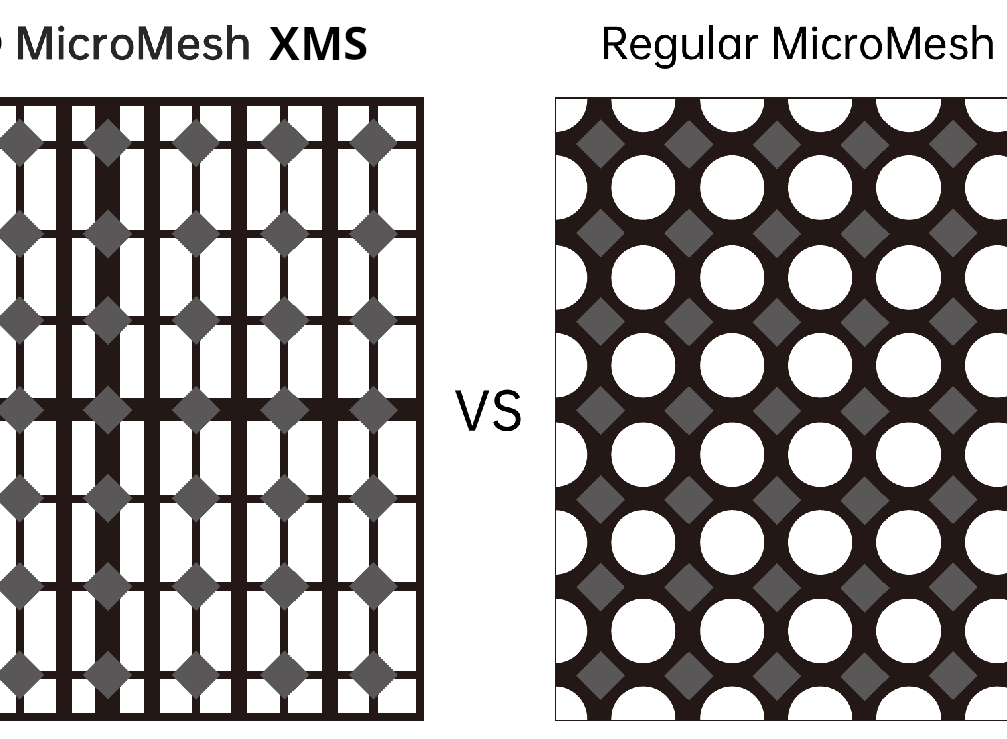
Performance, Lifespan and Maintenance of LED Screens
These screens display remarkable technical performance, with notably perfect readability even in direct sunlight. Their advanced contrast capabilities deliver deep blacks, considerably improving overall image quality. If you are wondering whether to choose LED or OLED, know that LED technology is often preferred for its robustness and extended lifespan.
- Low electrical consumption: their consumption is significantly lower than that of screens LCD of same brightness.
- Excellent lifespan: they can operate for more than 100,000 hours without notable degradation.
- Instant-on: their immediate response time is ideal for dynamic applications requiring rapid display.
- High durability: their robustness allows them to withstand impacts and extreme climate variations.
Maintenance of these screens is simple and significantly reduces long-term costs. Unlike OLED or LCD technologies, which often require more interventions, this solution is particularly reliable. A well-maintained panel retains its performance and perfect image quality over the years.
Transparent, 3D and Atypical Screens
Transparent LED screens represent a major innovation, notably for luxury signage. These ultra-thin modules let natural light pass through while displaying dynamic content and capturing attention. They maintain excellent daytime brightness and offer extended lifespan.
Some businesses use this feature to create a spectacular visibility effect for customers. The glasses-free 3D technology, for example, produces a striking volume illusion in the space, perfectly fulfilling its function of attracting attention to the content being broadcast.
Uses, Costs and Marketing Impact for Professionals
Professional applications are extremely varied, from outdoor installations on facades to large entrance halls. In contexts where image quality is essential, such as control rooms, this technology imposes itself obviously. Moreover, these systems are perfectly suited for events thanks to their lightweight and modular structures.
- Rigid structures: perfect for outdoor urban installations that withstand weather conditions.
- Flexible modules: ideal for adapting to curved storefronts or complex architectural designs.
- Transparent LED screens: they allow products to be seen while displaying dynamic content, an advantage appreciated in the luxury sector.
- Dynamic signage: offers great flexibility for quickly updating broadcast content.
The marketing impact of a storefront equipped with such a display system significantly increases store foot traffic. Although the initial cost can exceed that of an LCD, the investment is quickly recouped thanks to advantages like energy savings, high brightness and equipment durability.
Frequently Asked Questions
What is an LED screen and how does it work technically?
An LED screen is a display device that generates its own light directly through LED diodes. Each diode emits a specific colored light when an electric current passes through the semiconductor. The system operates with an electronic module that precisely interprets and transmits the received graphic data.
Each pixel is composed of three diodes (red, green, blue), which combined create millions of colors. The ability to individually adjust illumination offers a particularly striking contrast and very deep blacks. Unlike standard LCD-type screens, these screens do not require an external light source.
What is the main difference between an LED screen and an LCD screen, particularly regarding brightness and lifespan?
The main difference lies in the lighting. A traditional LCD screen uses liquid crystals to control light from an external backlight. An LED screen, on the other hand, directly uses LED diodes that produce their own light. This fundamental difference makes the brightness of LED screens significantly more intense.
Thanks to this technology, their lifespan can easily exceed 100,000 hours. Moreover, their energy consumption is noticeably lower than that of older generations. The primary function remains to offer bright, perfectly readable display, even in very well-lit environments like outdoors.
Can transparent LED screens really combine dynamic display and visibility of the background content?
Absolutely. Transparent LED screens are designed with extremely fine components mounted on a glass surface, making most of the display invisible when turned off. This allows overlaying dynamic content while clearly seeing the background. Their transparency rate can effectively reach up to 85%, which is very effective.
Their very slim design integrates perfectly into storefronts or shop facades to create an elegant and modern effect. Simple and regular maintenance guarantees their longevity and long-term functionality, effectively attracting the attention of passersby. They thus serve to enliven a space while increasing commercial traffic.