
Installing a transparent LED screen on your store window increases its appeal and gives your brand a modern image. This guide presents the various technologies, available formats, and essential criteria for a successful dynamic display project.
What Is a Transparent LED Screen for Storefront?
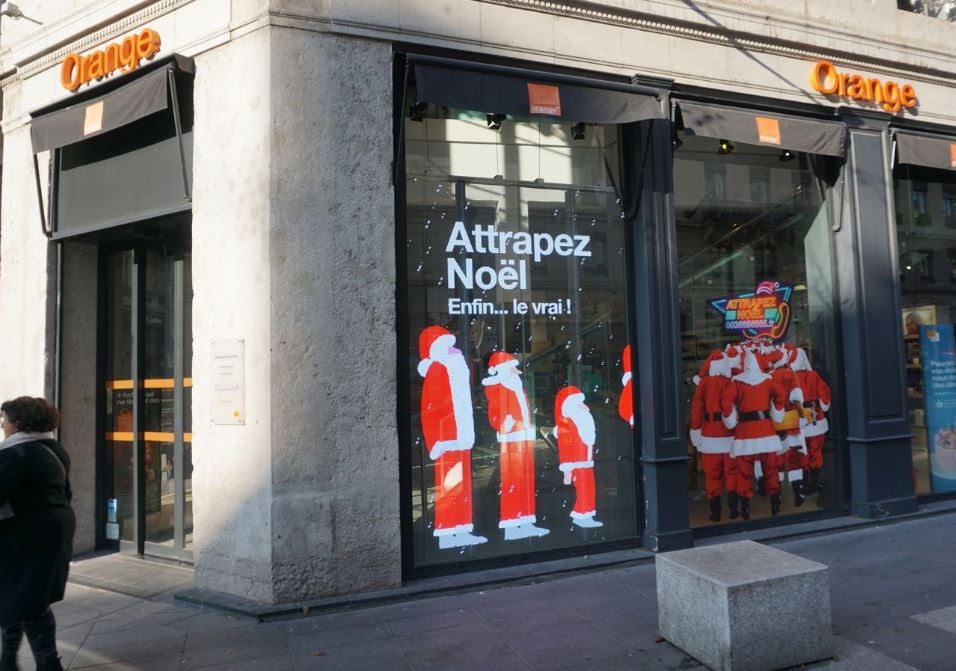
A transparent storefront screen is a light-emitting panel with a transparency rate ranging from 75% to 95%. It allows passersby to enjoy the displayed content while continuing to see the products inside.
How a Transparent LED Storefront Screen Works
Unlike traditional opaque screens, a transparent store LED screen lets natural light pass through. This design preserves the facade aesthetic and maintains a bright, pleasant atmosphere inside.
These transparent LED video screens replace simple glazing with panels capable of displaying eye-catching animations. Installing a transparent LED screen creates an immersive visual experience without sacrificing visibility into the interior.
This technology, designed for LED display on facades, appeals to most retail businesses. Choosing a store LED screen in P3.91 version ensures notably high brightness suitable for high-traffic areas.
Available Technologies for Storefront LED Screens
Choosing a transparent LED screen means comparing several technologies like SMD, COB, or GOB. Consulting a LED lighting guide can also help optimize product visibility inside your point of sale.
- SMD Technology: Surface-mounted diodes offer modular resolution ideal for LED video.
- COB Technology: LEDs are encapsulated directly onto the circuit, improving resistance to humidity and impact.
- GOB Technology: A solid protective coating ensures increased durability, even against harsh weather.
- Transparent LED film: This very thin LED film installs discreetly on the storefront without structural work.
The pixel pitch determines image sharpness perceived based on observer distance. The lower it is, the higher the resolution; a wider pitch is better suited for larger transparent LED video screens.
Their low thickness and light weight greatly facilitate installing this LED screen on glass surfaces. This solution generally avoids complex work or storefront reinforcements.
Possible Installation Formats & Configurations
Foldable and flexible modules adapt precisely to flat or curved surfaces. Their connection system greatly simplifies maintenance and daily installation.
An experienced manufacturer can design a fully customized transparent LED screen for your facade. Personalized support ensures harmonious integration into your commercial space.
Choosing the Right Size and Brightness
To select the right LED screen for your storefront, three interdependent criteria must be considered: available surface area, viewing distance, and ambient lighting. This analysis determines the ideal transparent LED screen size, as well as the necessary pixel pitch and brightness.
Standard and Extra-Large Formats Available
Determining the transparent LED screen size is a fundamental step for your project. Standard modules combine easily to create LED panels of small or very large dimensions. FlexLedLight offers transparent LED video screens in various shapes and technologies to energize your content.
- Micro format (small shop): These modules are perfect for small storefronts under 2 m². They require moderate resolution and high brightness for daytime readability.
- Standard format (medium shop): This 2 to 4 m² assembly offers HD resolution. Ideal for broadcasting dynamic, attention-grabbing LED video.
- Extra-large format (full facade): Installations over 5 m² target large shopping centers. A higher pixel pitch is used to optimize distance visibility.
- Custom 3D format: These XMS mesh LED screens or angled displays offer an immersive experience. Their architectural integration brings an innovative touch to your sales space.
For a modest surface, an adhesive transparent LED screen or transparent glass poster often suffices. However, large facades require custom installations. Personalized technical support is essential for large projects.
| Module Format | Combination Area | Recommended Pitch (mm) | Viewing Distance (m) | Shop Type |
| 500x125 mm | 0.5 m² to 2 m² | 3.91 | 3 to 5 m | Specialty store |
| 500x500 mm | 2 m² to 5 m² | 3.91 to 5.2 | 5 to 10 m | Medium shop |
| 1000x1000 mm | 5 m² to 20 m² | 5.2 to 6.25 | 10 to 30 m | Commercial facade |
| Extra large | 20 m² and above | 6.25 | Beyond 30 m | Shopping center |
Brightness and Resolution by Viewing Distance
A transparent LED storefront screen requires high brightness to remain perfectly visible in direct sunlight. Standard models typically offer between 3,000 and 6,000 nits, while some reach up to 8,000 cd/m². These specs are essential to withstand direct daylight.
A refresh rate of 3,840 Hz ensures a smooth, flicker-free image. This feature is vital for any storefront screen in a high-traffic location, ensuring continuous attention without visual discomfort.
Final resolution depends directly on the pixel pitch and total display surface. An LED display with a 3.91 mm pitch produces a very sharp image at just a few meters. Paired with high brightness, this module is perfect for animating your storefront screen.
Energy Consumption & Regulatory Requirements
The electrical consumption of an LED screen is typically around 200 to 260 W/m², which remains reasonable for continuous commercial use. It is recommended to turn it off at night to comply with legal requirements and save energy.
Several international standards ensure the safety and compliance of this equipment in public spaces. For outdoor installation, an IP65 or IP66 protection rating is required to shield the LED display from water and dust. These certifications ensure good weather resistance.
Advantages of a Transparent Giant LED Screen in Store
The transparent LED screen transforms your storefront into a powerful and modern commercial asset. It lets you display promotional messages while preserving transparency and the aesthetic of your storefront. This investment in dynamic display proves quickly profitable, thanks to its spectacular visual impact and strong attraction potential.
Commercial Impact and Pedestrian Attractiveness
One of the main advantages of a transparent LED screen lies in its immediate attraction power. Its high brightness instantly captures passersby attention, even in full daylight. This translates into a significant increase in foot traffic, far exceeding traditional LED panel performance.
- Real-time dynamic display: A dynamic display lets you update promotions instantly based on stock and commercial priorities.
- Brand image enhancement: This modern transparent screen projects an image of innovation and high technology, substantially improving customer engagement.
- Competitive differentiation: The combination of cutting-edge technology and a unique visual experience clearly sets you apart from competitors using more conventional supports.
Installing a transparent LED screen reconfigures your facade into an interactive communication tool. It broadcasts attractive animations while keeping products displayed inside the point of sale perfectly visible. This dual functionality completely redefines the visual experience of your store.
Indoor Use and Space Separation with Display
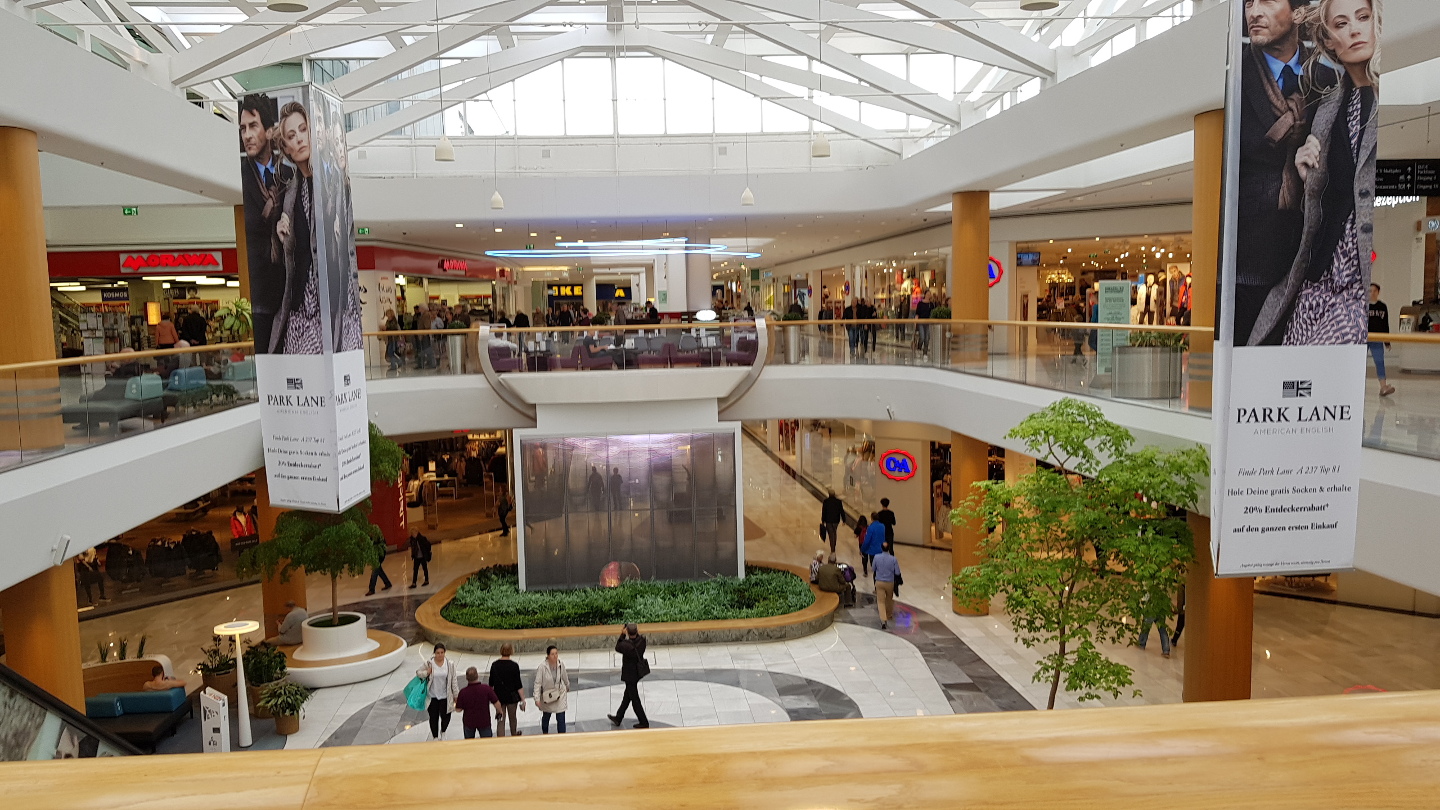
Indoors, this type of indoor dynamic display can also serve as a transparent partition to structure your commercial space. It broadcasts your communications without generating a visually heavy or opaque separation. You benefit from clear demarcation while preserving natural brightness and a pleasant sense of space.
These transparent LED panels subtly define different sales areas, such as aisles, without sacrificing the openness of the space. Some suppliers, like FlexLedLight, even offer 3D models for the most creative brands, adding a truly immersive dimension to the customer journey.
This type of LED display appeals to a wide range of sectors, from real estate to fashion to automotive. It is an extremely versatile solution, easily adaptable to your existing architecture. Its excellent return on investment justifies adoption in many commercial configurations.
Durability, Longevity & Return on Investment
LED modules offer exceptional lifespan, close to 100,000 hours — equivalent to over ten years of continuous use. This remarkable longevity guarantees a lasting investment, sparing you premature replacement of your LED screen.
- Modularity and repairability: LED panels are designed modularity, allowing you to replace only the faulty LED modules. This substantially reduces maintenance costs and limits electronic waste.
- Advanced energy efficiency: Technological advances integrated, such as ambient light sensors, enable intelligent energy consumption management.
- Architectural added value: The elegance and modernity of the transparent screen bring undeniable aesthetic added value, creating a striking contrast with traditional opaque screens.
Return on investment manifests through increased revenue and notable reduction in costs related to physical print advertising. The modular design also extends the overall system lifespan. Feel free to request a quote from FlexLedLight to realize and optimize your transparent LED display project.
Limitations, Price & Advice for Choosing
Despite its undeniable advantages, the transparent LED screen involves certain constraints and an investment to evaluate carefully. A precise cost analysis will help align your project with the real objectives of your business.
Disadvantages and Limitations of Transparent Screens
So, what are the disadvantages of transparent screens in a commercial context? Their main drawback is lower resolution compared to classic opaque LED modules.
The interior environment behind the transparent screen also plays a crucial role: a very light-colored wall will significantly reduce perceived contrast. Unavoidable with this technology, this effect can be mitigated by strategic placement.
Maintenance requires more rigor, as the LED modules must be cleaned regularly from both sides. Additionally, the presence of two glass surfaces increases reflection risks depending on your viewing angle.
Price and Criteria to Compare Market Offers
The price of a transparent screen naturally represents a more significant investment than a traditional display solution. The final cost depends primarily on the desired resolution, the total surface to be equipped, and the required brightness level.
- Entry budget (small storefront): Expect between $8,000 and $15,000 for approximately 2 m² with standard resolution.
- Medium budget (standard storefront): Plan an investment of $20,000 to $50,000 for approximately 5 m² in high definition.
- Premium budget (architectural facade): Custom and large-scale projects can represent an investment of $60,000 to over $150,000.
Specialized manufacturers offer fully customized solutions to meet specific needs. Custom design ensures an optimal quality-price ratio while respecting budget constraints.
Installation, Maintenance & Regulatory Compliance
Installing this type of equipment requires thorough preparation, particularly for proper heat dissipation. It is also essential to verify that the structure behind the storefront can support the total weight to avoid any risk.
Content management is simple and remote, typically via Wi-Fi. Most devices include automatic brightness adjustment, reducing energy consumption while complying with current regulations. Finally, plan for ecological recycling of your equipment at end-of-life, in compliance with legal requirements.
Frequently Asked Questions
How much does a transparent LED screen for storefront cost?
The price of a transparent LED screen designed for a storefront varies by dimensions, resolution, and required brightness. For a small 2 m² installation with standard pixel pitch, expect typically between $5,000 and $15,000.
For a 5 m² panel offering high definition, the total cost most often ranges between $20,000 and $50,000. Extra-large formats requiring specific architectural integration can sometimes reach or exceed $100,000. At FlexLedLight, we always prepare a personalized quote based on your actual needs.
How to install a transparent LED screen on a store window?
Installing a LED screen in a shop begins with an in-depth analysis of the existing glass structure. It is essential to verify that the window can support the equipment weight, which typically ranges from 1 kg to 10 kg per square meter.
Modules are then fixed using specialized adhesive or a frame adapted to the installation contours. Adequate ventilation is also crucial for effectively dissipating heat generated during operation.
Electrical wiring is done through discreet cables installed from inside the shop. Our expert teams oversee complete integration to ensure a fully functional and attractive dynamic display.
What transparency rate to choose for a storefront LED screen?
Choosing the ideal transparency rate depends on the desired balance between product visibility and content impact. A transparency of around 75% to 90% often represents the best compromise for retail stores.
For a strongly sun-exposed facade, lower translucency of around 80% improves daytime content readability. Conversely, an interior space less exposed allows opting for a 95% rate, giving the screen a greater visual lightness.
These high transparency levels enhance the sales space without ever obscuring the store background. FlexLedLight supports you in choosing the configuration best suited to your storefront type and environment.