
Understanding the average power consumption of an LED screen is essential for controlling your expenses and making informed investment decisions. This article breaks down, with real figures, consumption in watts, annual kWh, and associated costs, whether for home or professional use.
LED Screen Power Consumption by Type and Usage
The power consumption of a screen depends mainly on its size, model, and technology used. A 32-inch TV typically consumes between 30 and 45 W, while a 55-inch model usually requires 90 to 120 W in standard use. LED screens are generally 30 to 50% more energy-efficient than older CCFL-backlit LCDs, which translates into significant long-term savings.
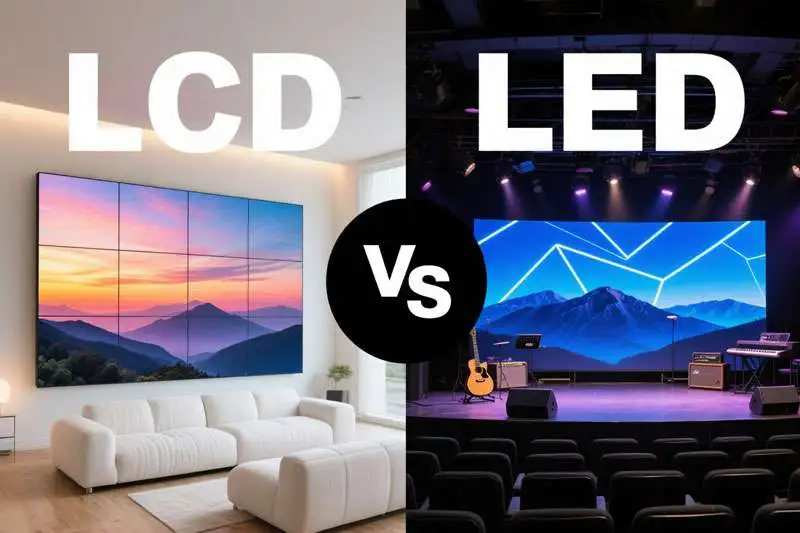
What is the power consumption of a home LED TV?
The power consumption of a home LED screen varies primarily depending on size and enabled features. A 32-inch screen consumes between 30 and 45 W, which equals 110 to 165 kWh per year for 4 hours of daily use. A 55-inch screen uses between 90 and 120 W, representing 131 to 175 kWh annually, while a 65-inch 4K/HDR model can reach around 150 W, at an annual cost of $45 to $60.
- Eco Mode: reduces brightness by 30% and energy consumption by 10 to 20%, bringing the bill down to approximately $38 for a 55-inch model.
- Content impact: very bright images can increase instantaneous consumption by 15% compared to dark backgrounds.
- Full-Array Local Dimming: saves about 5% of energy while improving contrast.
| Screen size | Power consumption (W) | Annual kWh (4h/day) | Annual cost ($) |
| 32 inches | 30–45 W | 110–165 kWh | $20–$30 |
| 55 inches | 90–120 W | 131–175 kWh | $45–$60 |
| 65-inch 4K/HDR | ~150 W | ~219 kWh | ~$65 |
Reducing brightness by 50% lowers an LED screen’s consumption by approximately 30%: 80 W drops to 56 W. Standby mode consumes only 0.3 to 0.5 W, but completely cutting power with a smart strip saves another 8 to 10 kWh per year, making an intelligent switch worthwhile.
Power consumption of a professional LED video wall
In a professional setting, energy consumption increases rapidly. A standard LED screen consumes between 200 and 400 W/m² indoors, and up to 2,000 W/m² for high-brightness outdoor screens. A 10 m² video wall, used 12 hours per day, can total 8,760 to 17,520 kWh per year, at between $1,314 and $2,628/year at $0.15/kWh.
Reducing brightness by 30% (for example, from 5,000 to 3,500 nits) cuts an LED screen’s power consumption by about 25%, saving over $300 per year. Each 10-inch increase adds roughly 15 to 20 W, which is why using automatic settings and adaptive dimming systems matters.
Transparent vs opaque LED: what is the energy difference?
A transparent LED panel typically consumes less than an opaque model of the same size. Transparent screens need between 150 and 800 W/m², versus 200 to 1,200 W/m² for opaque versions, representing nearly 30% in savings. Thus, a 2 m² transparent screen consumes between 300 and 1,600 W, while an opaque equivalent can exceed 2,000 W.
Lux sensors can automatically reduce LED screen power consumption by 20 to 30% in low-light conditions. On a transparent screen, a dark background saves up to 25% energy without compromising visibility. Additionally, a lifespan often exceeding 50,000 hours ensures stable energy consumption for over ten years, limiting environmental impact.
How to reduce an LED screen’s power consumption?
You can reduce an LED screen’s energy consumption with a few simple habits and technical settings. Enabling Eco mode lowers brightness by 30% and consumption by 10 to 20%, without affecting visual comfort. Turning off HDR in a professional context can also save 5 to 10% of electricity on standard content.
- Ambient light sensors: adjust brightness in real time and reduce consumption by 20 to 40%.
- Complete disconnection: eliminates 8 to 10 kWh/year compared to standby, saving about $1.50.
- Appropriate pixel pitch: a wider pitch (P4-P6) consumes 10 to 20% less than a fine pitch (P1.2–P2.5).
- Passive cooling: reduces consumption by 5 to 10% compared to vented systems.
Replacing ten 55-inch CCFL LCD screens with LED models reduces total consumption from 500 to 800 W. This equals annual savings of 2,000 to 3,000 kWh, or approximately $540, accelerating payback and limiting the energy impact of large video walls.
Frequently Asked Questions
What is the power consumption of a professional LED screen?
Professional LED screen power consumption typically ranges between 200 and 400 W/m² in standard use, and can reach up to 2,000 W/m² at maximum brightness. For example, a giant LED screen of 10 m² can consume between 2 and 4 kWh per hour, which equals 24–48 kWh per day for 12 hours of continuous use. Based on the average electricity rate, the annual cost can reach $1,314 to $2,628, including a 20% safety margin to stay within the manufacturer’s recommended maximum consumption.
Which device uses more power: a LED TV or an LED advertising screen?
For the same diagonal size, a domestic LED TV of 55 inches consumes about 90 to 120 W, while a 5 m² LED advertising screen may require between 500 and 1,500 W depending on brightness and number of LEDs. Therefore, this type of LED panel uses 5 to 15 times more electricity, leading to a significant monthly cost difference. However, a transparent advertising screen can reduce LED screen power consumption by about 30% compared to an opaque model, optimizing your energy budget without compromising professional use.
How do you calculate the annual kWh consumption of an LED screen?
The calculation is simple: kWh = (power in watts × daily usage hours × 365) ÷ 1,000. For example, a 100 W LED screen used 4 hours a day equals 146 kWh annually. By contrast, a professional LED screen of 2,000 W running 12 hours a day can reach 8,760 kWh. To get the final cost, multiply these kWh by your supplier’s rate. To reduce power consumption and the bill, also consider enabling eco mode, adjusting brightness, or reducing usage time.