
What average lifespan can you expect from an LED screen? Understanding LED screen lifespan is essential for many professionals. An LED screen typically offers between 50,000 and 100,000 hours of uninterrupted operation. This impressive longevity makes LED display technology a particularly strategic and cost-effective investment.
LED Screen Lifespan in Practice
The lifespan of an LED screen naturally varies according to its daily usage intensity. Its average lifespan can span several years of continuous operation. With moderate usage, this operational life can even exceed fifteen years without major issues.
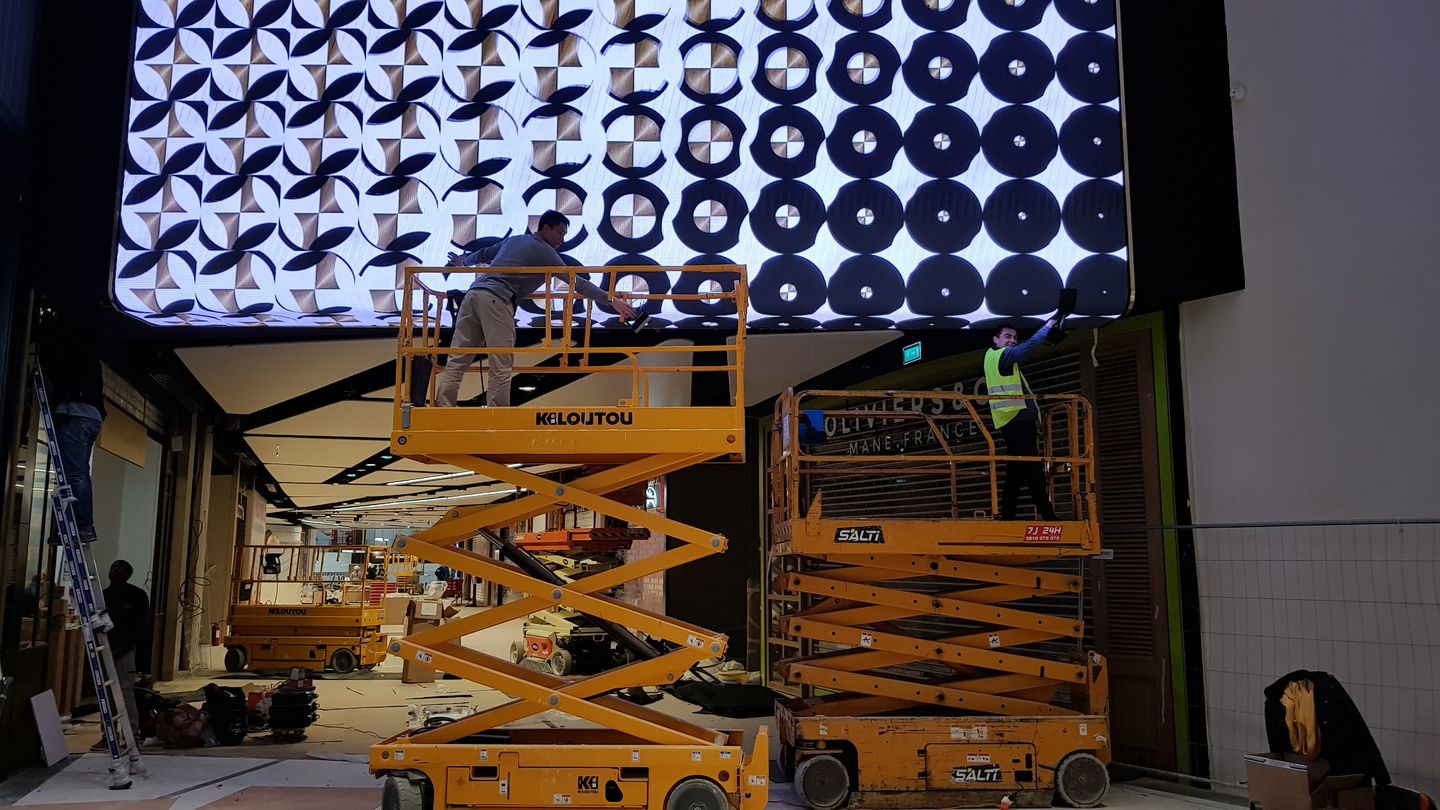
How Many Years for an LED Screen?
Indoors, the actual observed lifespan often reaches nearly ten years. This represents the real life of an LED screen before any obsolescence is noted. The warranties offered perfectly reflect this distinction between theory and practice.
- Continuous 24/7 operation: The advertised 50,000 hours represent almost six years of uninterrupted activity.
- Standard commercial use: Reasonable daily operation ensures excellent durability over several decades.
- Gradual degradation: The slow decrease in brightness helps avoid a sudden system failure.
LED technology uses high-quality diodes, very robust. Even facing slight thermal stress, the useful lifespan always remains excellent. Manufacturers also communicate a very reassuring estimated lifespan for buyers.
Why Lifespan Varies So Much
The LED television lifespan depends enormously on the ambient temperature of the room. An overly hot environment risks rapidly damaging the most sensitive electronic components. Poor usage conditions inevitably shorten the overall performance of your equipment.
Brightness configured at maximum significantly reduces the life of LED screens over time. Furthermore, unstable power supply causes premature aging of internal circuits. Prolonged exposure to sunlight also alters this equipment significantly.
Indoor and Outdoor Screen Lifespan
Indoors, installations benefit from completely controlled and stable climatic conditions. This natural protection allows reaching the full estimated duration from the manufacturer. Thus, screen life is greatly preserved over the very long term.
Outdoor LED face sometimes extreme climate which accelerates their daily wear. Facing regular bad weather, the average lifespan often drops to just a few years. Flawless waterproofing is therefore paramount to guarantee a truly optimal lifespan.
How to Extend LED Screen Lifespan
To optimize the longevity of your screen, good thermal management, stable power supply, and regular LED screen preventive maintenance are essential. These proactive actions delay obsolescence and improve return on investment. Rigorous management can often add several years to the initial useful lifespan.
Settings and Thermal Management
Reducing brightness reduces thermal stress and significantly lowers internal temperature. This simple maintenance gesture offers a particularly appreciable lifespan gain. Sensors can also automatically adjust ambient light for optimal operation.
Maintaining the back side below 45°C through adequate ventilation is paramount. It is recommended to clean the grilles regularly and leave free space around the device. Heat remains the primary enemy; every degree eliminated contributes to extending the overall lifespan.
- Brightness reduction: reducing power to 80% significantly increases the estimated lifespan.
- Effective ventilation: constant airflow prevents heat accumulation and protects electronic components.
- Night rests: a daily shutdown saves several thousand hours of usage, effectively doubling the useful lifespan.
Prefer dark backgrounds to reduce electrical consumption and limit thermal wear. Using balanced color palettes helps slow chromatic drift over time.
Power Supply and Usage Cycles
A stable power supply is crucial to protect electronic components against premature failures. Installing an efficient UPS effectively filters micro-outages and voltage spikes. This equipment prevents failure risks and noticeably extends the estimated lifespan.
Scheduling sleep cycles allows increasing the life of an LED screen without compromising its reliability. Limiting daily usage time is an excellent method to maximize its real lifespan. Furthermore, opting for a quality model guarantees an exceptional LED screen lifespan, often exceeding 50,000 hours without performance loss.
Cleaning and Proactive Maintenance
Monthly cleaning with a soft cloth prevents dust accumulation for optimal dissipation. Avoid water or aggressive chemical products that could cause short circuits. LED screen maintenance must be regular and meticulous to prevent any mechanical degradation.
Regularly inspect connectors and soldering joints, as loosening can cause visual defects. It is preferable to replace a faulty module rather than the entire LED screen. This targeted maintenance keeps the installation functional while reducing costs.
Install sensors to continuously monitor temperature and adjust ventilation if necessary. Rigorous maintenance significantly reduces the risk of sudden failure. These preventive gestures are essential to maximize the lifespan of an LED screen in the long term.
Comparing Screen Lifespans
It is essential to understand how LED technology compares to other options to justify this investment. The superior durability of LEDs explains their current dominance in dynamic display. Thus, over a ten-year period, the total cost of ownership remains very competitive thanks to remarkable longevity and simplified maintenance.
LED, LCD, and OLED: Which to Choose?
A simple LED vs LCD comparison shows that LED screens can reach 80,000 to 100,000 hours of use. LCD screens, on the other hand, wear out more quickly and lose their initial brightness much faster. Additionally, the modular nature of an LED screen greatly simplifies each technical intervention and thus minimizes the risk of prolonged failure.
- Compared to LCD, LED technology wins with a maximum lifespan of 100,000 hours, offering better overall durability and the possibility of more targeted repairs.
- Compared to OLED, LED technology eliminates screen burn-in risks and guarantees stable brightness even after five years of use.
- The modular design allows replacing only the faulty part, thus avoiding the costly replacement of entire panels.
- Over a decade, the LED option proves significantly more economical thanks to its robustness and reduced maintenance needs.
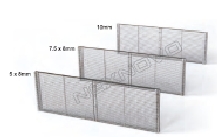
Whether transparent or standard, these products all rely on extremely performant and reliable light diodes. Thanks to an often lighter architecture, LED lifespan is even optimized with reduced mechanical failure risks. These two types of LED screens ultimately ensure stable operation with very few interventions.
Recognizing the End of Life of Screens
The lifespan of a Samsung television, or any other monitor, comes to an end when several warning signals appear simultaneously. We generally observe a noticeable drop in brightness, a color alteration, or unusual device overheating. Arrived at this critical stage, screen life is truly compromised and the display becomes unstable.
An old monitor ten years old can sometimes continue to function in a commercial environment that is not demanding. However, the inevitable decline in its visual performance often justifies its replacement to maintain acceptable image quality. After more than fifteen years of intensive use, it is preferable to recycle the equipment rather than incur additional expenses.
Frequently Asked Questions
What is the average lifespan of an LED screen compared to other technologies?
The LED screen stands out for its impressive average lifespan, generally between 50,000 and 100,000 hours. This duration is two to three times higher than that of standard LCD screens. For continuous commercial use, this often equates to six to ten years of operation.
In comparison, OLED screens, even though they offer better contrast, wear out more quickly and are more sensitive to image retention (burn-in). Over a decade, the lifespan of an LED screen therefore offers a much better quality-price ratio and entails less frequent maintenance and replacement costs.
How do I know if my LED screen is nearing the end of its life?
Several visual signs indicate that your LED screen may be at the end of its life. Among them, a notable drop in brightness or color alterations are common symptoms. It also happens that certain modules shut down or the device presents abnormal overheating, even with good maintenance.
After about eight years of intensive use, the lifespan of an LED screen often reaches its end. If several of these problems occur simultaneously, replacement then becomes an option to consider. A technical diagnosis can then specify the actual state of degradation and the need for maintenance or a change.
Can I really extend the lifespan of an LED screen with maintenance and settings?
Yes, several simple practices allow extending the average life of your LED screen. Setting brightness to an appropriate level and planning daily shutdown periods allows saving a significant number of hours of operation. Protecting equipment against power surges also reduces the risk of premature failure.
These gestures can improve your screen lifespan by about 50%. A modest investment in regular preventive maintenance can thus avoid premature replacement and allow you to realize important savings in the long term.