
Installing a giant LED screen requires a minimum brightness of 5,000 nits to remain visible in full daylight. In practice, this technical constraint shapes the entire installation, from electrical sizing to the load-bearing structure. The choice of resolution and the load study determine the viability of your project well before addressing content.
Outdoor Giant LED Screen: Features and Applications
The matrix of an outdoor giant LED screen is designed to withstand a severe urban or climatic environment. Sharpness depends directly on the pixel pitch, that is, the physical measurable distance between each pixel. Poorly calibrated brightness renders any outdoor display ineffective against daylight reflection.
Unlike standard monitors, an outdoor LED screen maintains values between 5,000 and 7,500 nits continuously. This parameter is what distinguishes a lasting outdoor display solution from an advertising surface that quickly becomes obsolete.
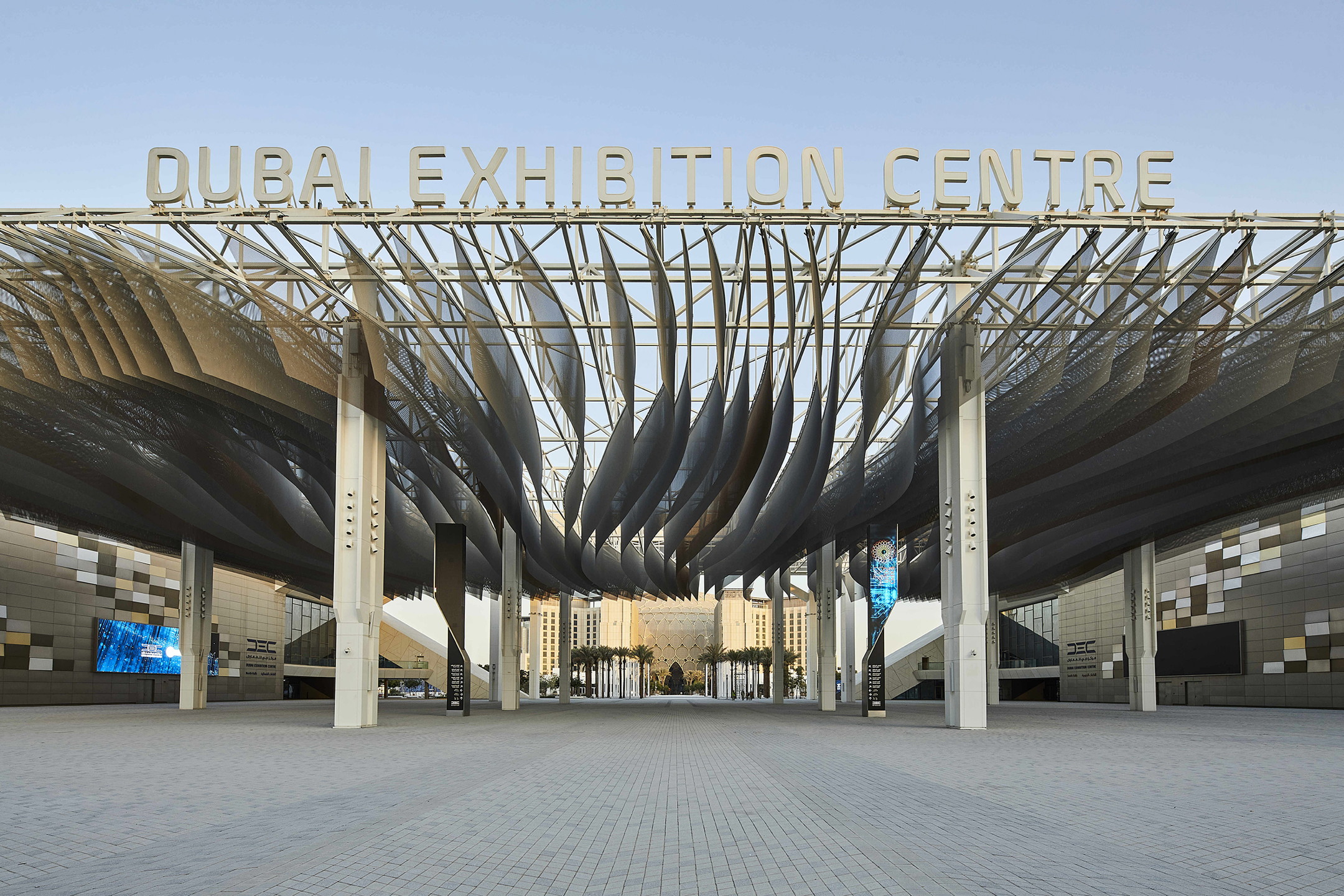
Brightness, pixel pitch, and resolution of an outdoor LED screen
The image quality of an outdoor LED screen rests on the precise balance between viewing distance, pixel pitch, and luminous intensity. The integration rule is strict: a pitch of 8 mm requires a minimum viewing distance of 8 meters. A refresh rate set at 3,840 Hz minimum is required to eliminate any visible flicker through a camera lens.
- Reference brightness: plan for 5,000 nits as standard, and increase to 7,500 nits for an outdoor LED panel facing directly south.
- Pixel pitch: a P6 to P8 is sufficient from 6 meters away, while a P2.6 is recommended from 4 meters for a giant outdoor LED screen.
- Minimum density: a frame of 960 × 560 pixels guarantees clear reading across most LED panels available on the market.
- Viewing cone: a 160° opening remains essential for exploiting a giant outdoor LED screen in high-traffic areas with crossing footfall.
A deficit in luminous intensity systematically compromises your setup, well before any resolution consideration. Under-sizing this point on a giant LED screen can never be compensated by tighter pixels. At FlexLedLight, we systematically measure the solar exposure of the site before making our technical recommendations.
Modularity and uses of a giant LED screen
The assembly of a giant screen is based on independent LED cabinets, assembled to form a continuous surface without visible joints. This modular approach allows it to follow the curves of a building without weakening the mounting structure. This is what distinguishes outdoor LED display from traditional solutions.
- Facades and retail: the outdoor LED screen broadcasts targeted advertising content with granular zone-by-zone distribution control.
- Events and sports: mobile structures ensure reliable live broadcasting at events gathering large audiences.
- Synchronized feeds: integrating real-time data energizes the outdoor LED without requiring constant production of new videos.
Front access via magnetic mounting cuts service time by three during the replacement of a defective component. For an installation intended to last more than three years, I always prefer this assembly method to control your operating costs.
Regulations and permits for installation
The deployment of an LED screen on public space requires prior municipal agreements, often governed by eight-year leases. Legislation regulates the image succession rate to avoid dazzling or distracting drivers. In practice, these legal constraints define the parameters of your video controller from its initial programming.
The technical specifications document for an outdoor LED screen intended for a sports complex provides excellent technical reference points: IP65 certification, 7,500 nits, and certified operation from −20 to +55 °C. These industrial standards directly govern the manufacturing and electrical safety of the equipment.
The mandatory nighttime shutdown between 11 PM and 6 AM extends the lifespan of the LEDs and significantly reduces your energy footprint. Integrate this automatic shutdown directly into the cloud routine upon system delivery.
Waterproof Outdoor Screen and Weather Resistance
The IP rating of a waterproof outdoor screen determines the viability of a project even before addressing brightness. In practice, an insufficient front rating ruins your investment from the first storm, regardless of LED quality. This is the absolute criterion for validating an outdoor installation.
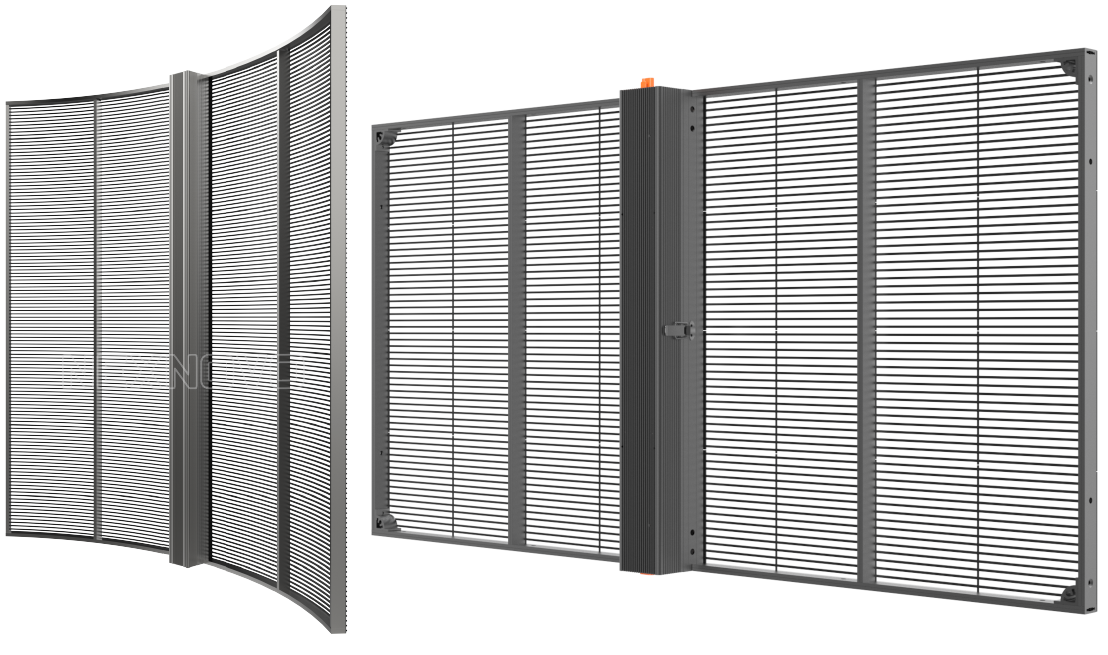
IP certification and LED screen resistance to rain and humidity
In practice, a LED screen exposed to rain and humidity requires a minimum IP65 rating on the front face. This guarantees complete protection against dust and directional water jets. At the rear, aim for at least IP54 to absorb water spray and temperature variations from −20 °C to +55 °C.
An IP65 or IP67 certification protects your outdoor LED screen against heavy rains, condensation, and high-pressure cleaning. In practice, an outdoor LED capable of withstanding these constraints directly reduces maintenance costs over the first five years of operation.
- IP65 front: complete protection against dust and directional jets, the minimum standard for permanent installation.
- IP67 front: tolerance for temporary immersion up to 1 meter, recommended for areas with heavy rainfall.
- Anti-vandalism glass: a polycarbonate shield recommended in sensitive zones, which preserves the optical performance of the outdoor LED display without degradation.
The rigidity of the extruded aluminum structure, combined with stainless steel fasteners, is mandatory in saline or high-altitude environments. Electronic sealing alone is not enough to secure the equipment. Always validate the anti-corrosion treatment of the chassis before accepting a quote.
Structure, cooling, and lifespan of the LED screen
The reliability of an outdoor screen depends strongly on its ability to dissipate heat. I always prefer optimized passive cooling, without forced ventilation. By eliminating mechanical parts prone to accumulating dirt, you preserve the overall lifespan of the equipment, especially when installed at height.
In practice, the LEDs of an LED screen reach 100,000 hours of operation theoretically. On an outdoor LED wall running twelve hours per day, this represents between seven and twelve years of real operation. This longevity assumes, however, impeccable electrical sizing upstream.
Magnetic front maintenance allows LED modules to be removed in minutes, without dismantling the rear chassis. This technical detail transforms the economic model of aerial maintenance. At FlexLedLight, our approach is to integrate this standard on our LED panels, to reduce your technicians’ service time by three.
Step-by-Step Installation of an Outdoor Giant LED Screen
A poorly sized structure for a giant outdoor LED screen generates visible mechanical deformations from the first year. Installing a giant screen requires a rigorous load study upstream of the project. Every millimeter of misalignment propagates to the assembly and degrades the final image quality. In practice, this methodical oversight determines the success of your outdoor LED screen installation.
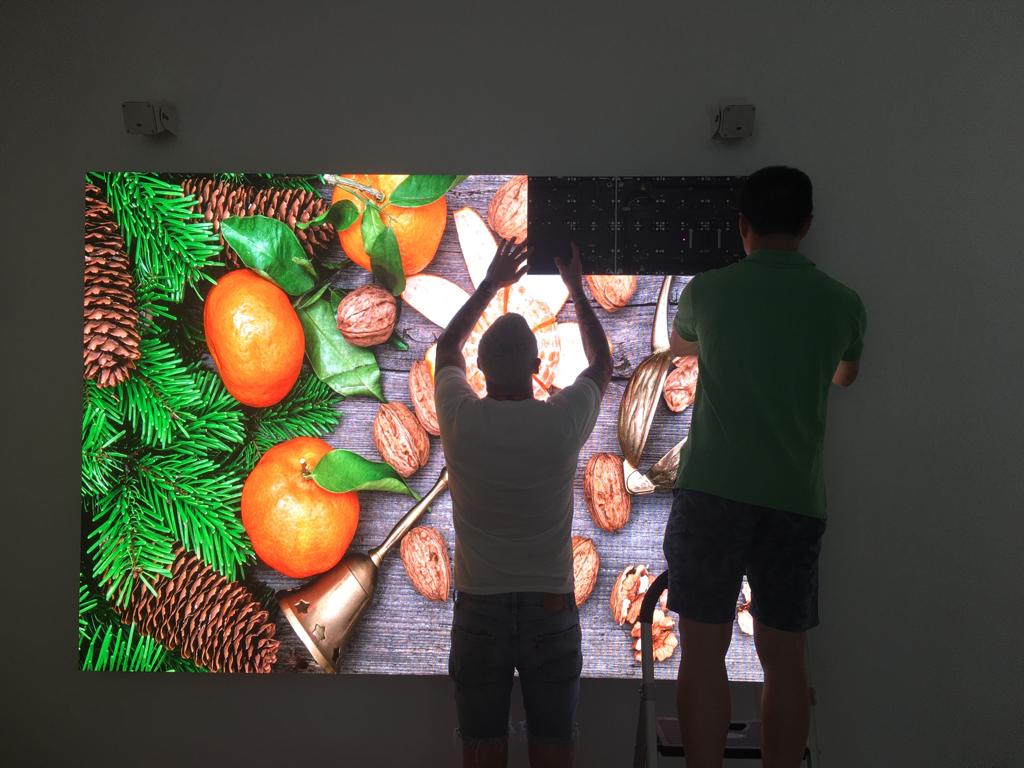
Mounting, anchoring, and safety of the giant LED screen
The weight per square meter of a giant LED screen is generally between 30 and 45 kg depending on pixel density. Verifying the load-bearing capacity of the wall always precedes production startup. A structural engineer validates the wind resistance of the outdoor screen, particularly when gusts exceed 100 km/h on the facade.
- Wall mounting: anchoring requires sleeve anchors on distribution plates, sized according to the tonnage of the outdoor LED screen.
- Ceiling suspension: the specification requires two attachment points per beam and oversizing of the slings.
- Ground-mounted standalone installation: ballasted bases prevent tipping, a method we prefer for temporary events.
- Rear technical access: allow a 60 cm clearance to service the video reception cards without heavy tools.
In practice, locking the LED panels requires two technicians trained in working at height. The use of quick mechanical fasteners maintains the planarity of the giant screen. This micrometric alignment remains the absolute condition for guaranteeing high visual quality.
Wiring and brightness adjustment of the outdoor giant LED
The data addressing of an outdoor giant LED requires a cascading cabling strictly defined by the manufacturer. This circuit guarantees synchronous refresh of each module on your LED screen. Any inversion of the Ethernet port causes offsets that the video processor cannot compensate.
Brightness parameterization is performed on-site using a lux sensor fixed to the front face. A high brightness of 6,000 candelas per square meter becomes harmful at night, while a threshold too low destroys contrast in full daylight. In practice, a well-calibrated outdoor LED preserves the readability of the advertising message without dazzling the immediate environment.
Factory checks and post-installation monitoring
The color calibration performed at the end of production unifies the colorimetry of the entire installation. During operation, remote supervision reports the status of the power supplies and the internal temperature of the outdoor LED screen. For an advertising LED panel that is difficult to access, this telemetry targets interventions and optimizes the overall lifespan of the LED screen installation.
Outdoor LED Screen Control and Advertising Content Management
In practice, managing a giant LED screen no longer requires any on-site intervention. Control is performed from the cloud, via any connected device. This technical detail transforms a static LED advertising panel into a dynamic tool for your events.
Cloud control and connectivity of the outdoor LED screen
Controlling an outdoor LED screen is done through a cloud interface accessible from anywhere. The CMS handles common formats and allows you to schedule your campaigns precisely. Managing multiple LED screens from a single point is what makes this technology particularly suitable for a multi-site network.
- Multiple connectivity: Wi-Fi, Ethernet, 4G/5G, HDMI, USB key, RTSP and Multicast streams.
- Live broadcasting: live video via HDMI or RTSP, with real-time monitoring and signal loss alerts.
- Multi-zone: division of the video wall to broadcast video, weather, and logo simultaneously.
- Automatic adjustment: a sensor modulates the brightness of the outdoor LED screen according to sunlight, combining readability and energy savings.
Multicast compatibility facilitates real-time broadcasting on synchronized giant screens. For advertising events requiring an identical image across multiple surfaces, this is precisely what eliminates latency between panels.
Energy consumption and optimization of the LED screen
In practice, the power consumption of an outdoor LED screen in normal use is between 120 and 200 W/m². In full sun, maintaining brightness of 5,000 nits may require up to 2,000 W/m². A giant LED screen of 10 m² therefore consumes between 24 and 48 kWh per day. To anticipate the upstream electrical wiring, the consumption of an outdoor LED screen is addressed in detail in our dedicated guide.
In practice, several levers allow reducing the bill of an outdoor screen. Eco mode and light sensors adjust consumption based on ambient brightness. Common Cathode architecture remains the most impactful choice for a lasting installation. To choose an LED screen suited to your constraints, FlexLedLight offers a range of outdoor LED screens integrating this architecture as standard.
| Optimization Strategy | Consumption Reduction | Estimated Annual Savings (10 m²) |
| Eco Mode | 10 to 20 % | €130 to €260 |
| Light Sensors | up to 40 % | up to €525 |
| Night Shutdown (11PM-6AM) | variable depending on usage | several hundred € depending on duration |
| 30 % Brightness Reduction | 25 % | €330 to €660 |
| Common Cathode Architecture | 20 to 40 % | over €1,500 |
| Combined Methods (10 m²) | 40 to 55 % | €600 to €800 minimum |
Frequently Asked Questions
What pixel pitch to choose for an outdoor giant LED screen according to viewing distance?
In practice, the comfortable distance in meters corresponds directly to the pixel pitch value in millimeters for your giant LED screen. For outdoor viewing from more than 4 meters away, a P4.8 pitch more than meets the project requirements. Going below this threshold for an outdoor screen placed at a large distance increases the budget without improving the perceived sharpness.
What is the real lifespan of a waterproof outdoor screen in outdoor conditions?
In practice, the components of a waterproof outdoor screen display a theoretical lifespan of 100,000 hours. In practice, based on twelve hours of operation per day, you can count on eight to ten years of operation. The quality of the installation and the robustness of the load-bearing structure truly determine this longevity on the ground.
How to install an outdoor giant LED screen on an existing facade?
Installing a giant screen on a facade requires, before any mounting, to verify the load-bearing capacity of the supporting wall. A giant outdoor LED screen can weigh up to 400 kg, which makes the preliminary mechanical study far more critical than simply adjusting the brightness. This protocol secures your outdoor display solution and guarantees its reliability, including against wind-related constraints.