Choosing the right type of screen among the various technologies available on the market requires a solid understanding of their technical specifications and real-world applications. This article compares the performance of OLED, LED, LCD, and their IPS variants to help you make the best choice based on your environment and needs.
OLED, LED, or LCD: Which Screen Technology Should You Choose?
Screen technologies are constantly evolving, offering solutions tailored to every use case. While OLED generates its own light per pixel, LED uses diodes with a backlight, and LCD operates with liquid crystals. Each technology has its strengths and limitations in terms of visual performance and cost.
Contrast and Black Depth Across Technologies
The OLED technology stands out for its infinite contrast, since each pixel generates its own light and can be turned off completely. By contrast, LCD screens often show a slight light halo even in the darkest scenes. The current market is primarily split between these two approaches and their hybrid variants.
- OLED and true blacks: Each pixel can turn off individually, delivering deep blacks and practically infinite contrast with no halo effect.
- LED full-array with local dimming: The backlight is split into independent zones, enabling a contrast ratio well above 5000:1 while limiting uniformity artifacts.
- LED edge and cladding: Edge-positioned lighting creates uneven brightness, a flaw particularly noticeable in darkness on static images.
- VA and intermediate contrast: Vertical alignment of liquid crystals improves black depth compared to IPS, without matching OLED but also without risking burn-in marks.
A 27-inch full-array screen can show nearly perfect blacks, while a standard LCD monitor still reveals a grayish tint in dark scenes. This improvement in contrast and brightness reduces eye strain and improves readability, which is crucial for gamers and graphic designers.
| Technology | Contrast Ratio | Black Quality | Burn-in Risk |
| OLED | Nearly infinite | Perfect blacks | Yes, high risk |
| LED full-array | Above 5000:1 | Very deep blacks | None |
| LED edge | 2000–3000:1 | Good blacks | None |
| VA LCD | 3000–5000:1 | Deep blacks | None |
| IPS LCD | 1000–2000:1 | Moderate blacks | None |
Brightness and Visibility in Lit Environments
In very bright environments, such as outdoors or near a window, managing contrast and brightness is essential. Some professional LED screens reach between 5,000 and 10,000 cd/m², ensuring perfect readability even in full sunlight. By contrast, LCD panels top out around 800 cd/m², becoming difficult to read under strong light, just like OLED which rarely exceeds 700 nits.
QLED technology combines a LED backlight with quantum dots to easily reach 2,000 nits or more. This elevated brightness is ideal for very bright spaces, dazzling HDR content, and advertising displays, with no risk of burn-in. Similarly, Mini-LED offers high brightness through precise control of thousands of independent backlight zones.
Energy Consumption and Backlight Efficiency
The use of LED backlighting saves approximately 30% of energy compared to older CCFL tubes, while enabling thinner screens. This improved energy consumption facilitates ultra-slim designs and extends equipment lifespan, reducing operational costs for sustainable professional installations.
LED diodes offer a lifespan of 30,000 to 50,000 hours, well beyond the 10,000 to 20,000 hours of CCFL systems. This durability limits frequent replacements and preserves performance under intensive use. OLED consumes more on bright images and remains sensitive to burn-in, though techniques like pixel shifting mitigate this risk.
AMOLED, an OLED variant for mobile devices, activates only the pixels needed, efficiently preserving smartphone battery life. Recent screens also integrate blue-light filters and night modes to reduce glare and visual fatigue, a significant advantage for professionals and gamers.
Color Performance and Durability of 4K Screens
Color gamut and build quality directly influence the long-term value of your screen investment. Current LED models cover the DCI-P3 color space, offering approximately 35% more color shades compared to the sRGB standard of LCD screens. This color richness is essential for professional photo editing and HDR content viewing.
DCI-P3 Color Gamut and Chromatic Accuracy
Thanks to IPS technology, these panels guarantee excellent chromatic uniformity even with viewing angles up to 178°. This ensures consistent color fidelity across the entire screen surface. Such a color gamut is perfect for demanding graphic design and collaborative presentations, with no visual degradation of the image.
- IPS and chromatic uniformity: IPS technology achieves a Delta E below 2, essential for validating precise graphic palettes.
- QLED and increased saturation: Quantum dots in QLED screens purify red and green hues for vivid saturation, ideal for HDR videos.
- Professional DCI-P3 coverage: A high-end monitor often reaches 95% DCI-P3 coverage, combining color precision with high brightness.
On an HDR Blu-ray film, a QLED screen will display much brighter reds than a standard model limited to sRGB. This noticeable difference justifies the investment for creatives and professional studios seeking absolute chromatic fidelity. These users need flawless reproduction for their exceptional work.
Burn-in Risk and Prevention Strategies
OLED technology carries a risk of screen burn-in when displaying static elements for extended periods, which requires regular pixel shifting. This phenomenon often restricts OLED use to premium models playing varied content, making them less suitable for static commercial display or signage running continuously.
To prevent this, methods like periodic content rotation or activating a dynamic screen saver are employed. While they extend panel lifespan, they don’t completely eliminate the risk and require active software management. By contrast, LCD or QLED screens don’t need such monitoring.
For 24/7 public use, choosing a LCD VA or QLED screen eliminates all permanent burn-in risk on fixed logos. These alternatives ensure simplified maintenance, better reliability, and lower total cost over a 10 to 12-year period. This is why QLED is often preferred for museums or commercial signage.
Lifespan and Maintenance of LED Technologies
High-end LED video walls offer remarkable lifespan, generally between 50,000 and 60,000 hours. This translates to nearly 10 to 12 years of uninterrupted use at 12 hours per day. This longevity significantly reduces replacement costs compared to traditional screens, optimizing return on investment.
The modular architecture of these LED walls ensures display continuity even when a module fails. Thanks to redundant power supplies, panels allow hot-swapping without interrupting the broadcast. Maintenance includes color calibration, contrast checks, and rapid replacement of defective components.
Choosing Between IPS, QLED, and OLED Based on Your Needs
Your future screen choice should be based on your usage, room lighting, and budget. The display technologies available today offer solutions for both professionals and consumers. Whatever your need, from basic office work to the most demanding artistic projects, there is a precise technical solution.
User Profile and Environment Recommendations
Your primary use case — whether for cinema, gaming, graphic creation, or advertising display — heavily influences your decision. Each domain benefits from specific characteristics to optimize image quality and ensure a solid long-term investment. It is therefore essential to choose a technology compatible with the constraints of your visual environment.
- Cinephiles and home theater: OLED remains the best choice thanks to its true blacks and infinite contrast, perfect for premium HDR experience. This technology guarantees an unparalleled immersion in a dedicated room, regardless of content type.
- eSports and competitive gaming: TN or IPS monitors with 144 to 240 Hz refresh rates offer optimal responsiveness for competition. OLED is also an excellent option for its nearly instantaneous response time, though vigilance against static image burn-in is warranted.
- Designers, photographers, and creatives: IPS or NanoCell screens are essential for their faithful color reproduction and wide viewing angles. They ensure crucial chromatic precision for professional photo editing and team workflows.
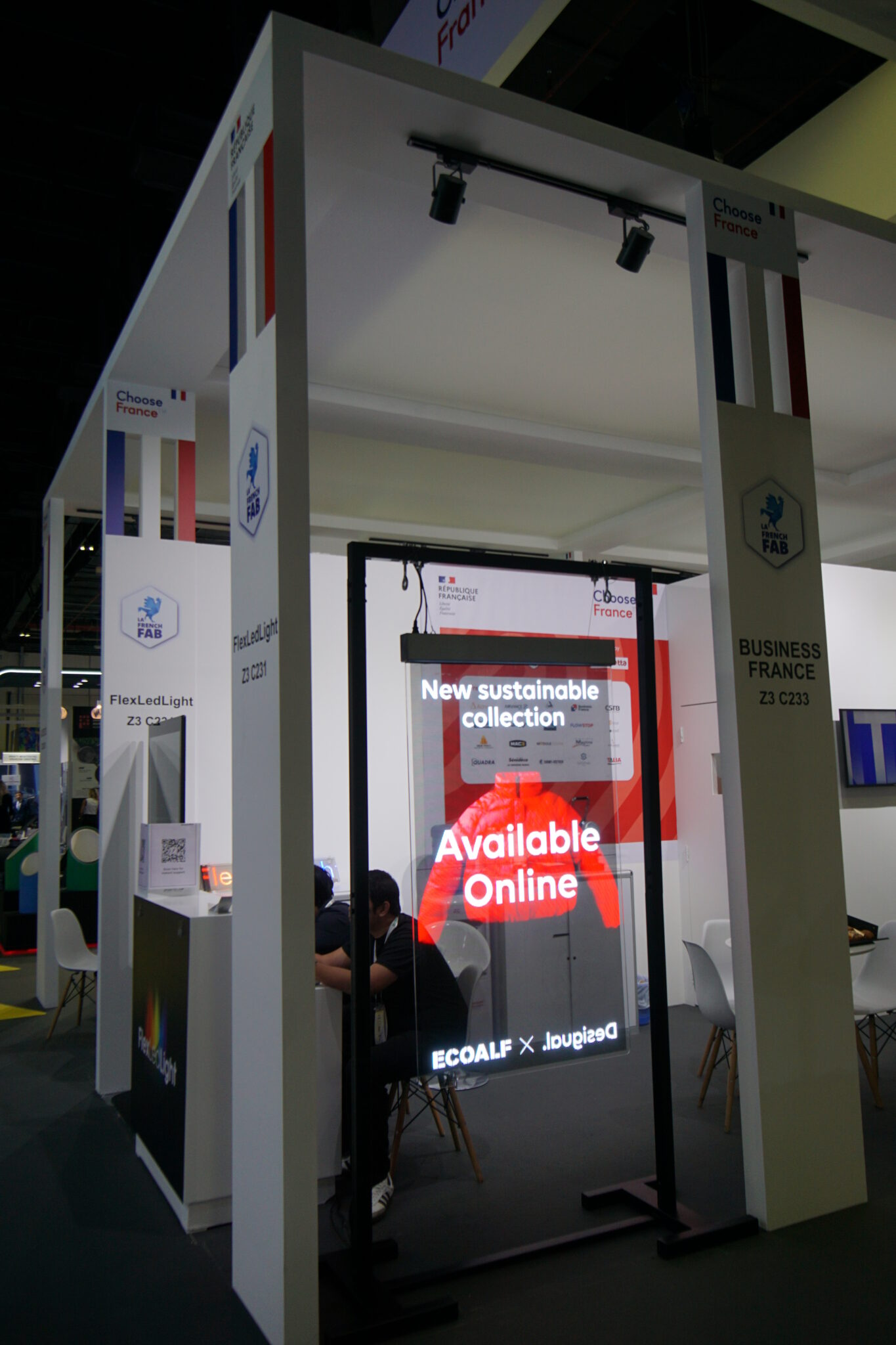
In very bright spaces like storefronts or sun-exposed offices, QLED or Mini-LED are the way to go thanks to their very high brightness. For commercial display running 24/7, choose an LCD VA or QLED screen to avoid any burn-in risk. These solutions ensure excellent detail visibility while minimizing maintenance.
Pixel Pitch and Optimal Viewing Distance for LED Screens
The relationship between pixel pitch and viewing distance determines the perceived sharpness of your LED installation. This balance is fundamental for achieving the best possible image quality without investing in an excessively costly resolution. It is a decisive criterion for avoiding pixelation in high-end environments.
For a viewing distance of 1 to 3 meters, a fine pixel pitch between 1.2 and 2.5 mm is needed for a perfectly sharp image. Between 3 and 6 meters, a pitch of 2.5 to 4 mm provides an excellent balance between definition and energy consumption. Beyond 6 meters, wider spacing is generally sufficient to maintain good readability over large surfaces.
Choosing too fine a pitch wastes energy unnecessarily, while too wide a pitch would significantly degrade the close-viewing experience. Transparent screens allow display integration in storefronts without blocking the view. These modular solutions allow creative installations even on complex architectures like curved walls.
Micro-LED emerges as the technology of the future, combining extreme brightness, perfect blacks, and zero burn-in risk. Although its cost remains high, it represents the premium solution for very large professional formats beyond 70 inches. A custom LED video wall screen allows fully configurable setups adaptable to all your events and commercial spaces.
Frequently Asked Questions
Which type of screen should I choose between OLED and QLED for my use?
The OLED screen is the perfect choice for home cinema and immersive gaming, thanks to its exceptional responsiveness (less than one millisecond) and its ability to render deep, absolute blacks. Conversely, QLED is better suited for professional display, 24/7 businesses, and very bright spaces, as it supports long static displays without screen burn-in risk and without requiring intensive maintenance.
While OLED offers superior visual performance, it comes at a higher price and demands greater vigilance against burn-in. QLED, on the other hand, distinguishes itself by its reliability, long lifespan, and lower total cost of ownership for professional projects over a decade or more. LED screens are characterized by superior contrast, deeper blacks, and lower energy consumption compared to classic LCD screens.
This technology also helps reduce eye strain through better brightness management and effective blue-light filters, even if LCD remains an economical option for basic home use. Thus, for most demanding applications like graphic design, the optimal screen type remains LED, while LCD suffices for simple needs with a limited budget.
Why is pixel pitch critical for LED screens?
Pixel pitch is the distance, in millimeters, between two adjacent LED diodes. This measurement directly influences perceived image sharpness based on your viewing distance. Choosing too tight a pitch (such as P1.2) when the observer stands far away (beyond 10 meters) means wasting energy with no notable visual gain, while increasing cost unnecessarily.
Conversely, too wide a pitch (such as P6) viewed too closely (under 2 meters) will produce an unpleasant grid effect (pixelation) that greatly degrades the experience. Adapting pixel pitch to viewing distance is therefore crucial for optimizing display quality, energy consumption, and the cost-performance ratio of your installation.
A professional installer will always recommend evaluating the average viewer distance and referring to manufacturer guides. This approach ensures the ideal pitch choice, guaranteeing a profitable investment and user satisfaction in front of the screen.
Which screen for 24/7 commercial display without burn-in issues?
For continuous commercial static display, it is preferable to turn to LCD VA matrix or QLED technologies. Unlike OLED, these screen types completely eliminate burn-in risk, ensuring your logos and messages remain perfectly sharp and readable even after years of intensive use. Color fidelity is thus preserved long-term.
The lifespan of high-end LED walls frequently reaches 50,000 to 60,000 hours, representing 10 to 12 years of use at 12 hours per day. This extended lifespan delivers excellent return on investment, reinforced by remarkable reliability.
Minimal maintenance and the robustness of these screens fully justify choosing QLED over OLED for museums, reception centers, or point-of-sale signage. It is the ideal solution for retail storefronts where constant, uniform brightness is essential to operational success.